A2 CRM brings customer records, sales stages and team follow-up into an agreed workflow, with opportunity ownership, interaction history and role-based reports.
Define the customer model and relationship stages.
Review data and role access.
The team works with clear records, opportunities and tasks.
Managers review follow-up and decisions needing attention.
Connect with your tools
Existing commerce, service or enrolment systems
Approved messaging and call tools
Data and report files with quality controls
What delivery includes
Sales stages, opportunity ownership and customer duplicate-matching rules
Customer records and a follow-up workspace with tasks, due dates and agreed interaction history
Role and branch permissions, management reports and approved source-system connections
Data review before import, access and follow-up checks, team training and staged handover
Delivery scope and related experience
A configurable customer-relationship family. Implemented capabilities in reference projects do not replace compatibility review and acceptance for a new deployment.
Javaherian operations
Javaherian customer operations and sales follow-up tools inform this product family.
Contact details, interactions, related orders or opportunities and the next action are brought together within the agreed scope and permissions. Data sources and duplicate-matching rules are defined first.
Can every employee access all customer information?
Access is designed around roles, responsibilities, branches and business rules. Managers also receive only the views and actions defined in the access model.
Can it replace our accounting software?
A2 CRM focuses on customer relationships and sales operations. Financial requirements are reviewed and relevant data can be exchanged through authorized interfaces. Replacing accounting software is a separate scope.
Start with your operation
Where do customers come from, and which stages lead to a sales outcome?
Who follows up with each customer, and how are tasks handed between people?
Which tools hold the current records, and how are duplicates identified?
Which records, actions and reports should each role or branch be able to access?
Choose capabilities for our conversation
These choices describe your initial priorities. The final scope is defined together.
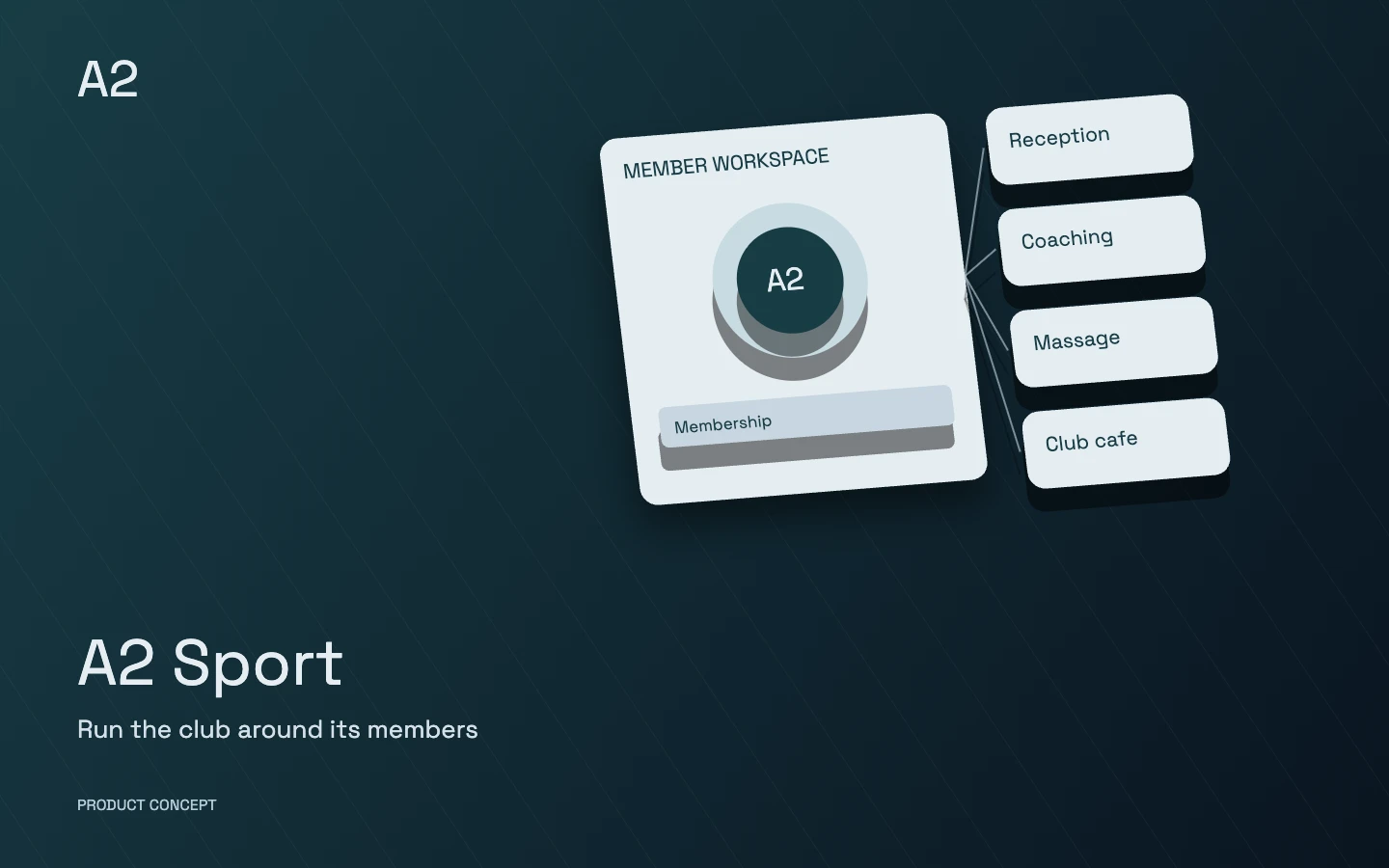 A2 Sport Follow the link, or keep scrolling on desktop.